
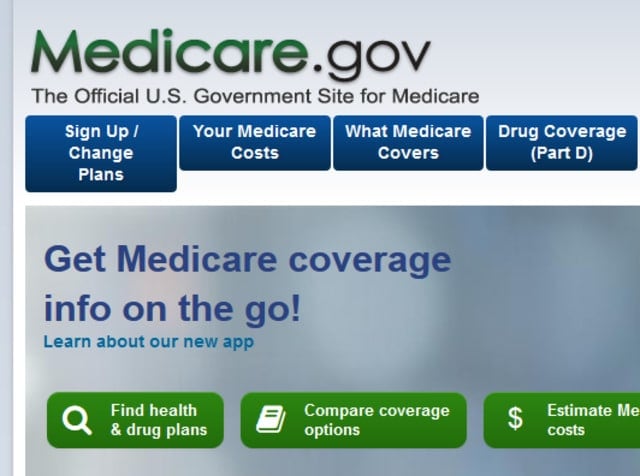
Medicare Basics

The Basics

Medicare is the federal health insurance program for people who are 65 or older and for certain younger people with disabilities and end-stage renal disease.  There are four main parts to Medicare coverage (plus a supplemental plan) and these plans are offered by private insurance companies.

  • Medicare Part A (Hospital Insurance)covers inpatient hospital stays, care in a skilled nursing facility, hospice care and some home health care.
  • Medicare Part B (Medical Insurance)covers certain doctors’ services, outpatient care, medical supplies and preventive services.  You pay nothing for most preventive services if you get the services from a health care provider who accepts the assignment.  In 2019, the standard Part B premium is $135.50 per month (or higher depending on your income). Original Medicare includes Parts A and B and you’re able to choose the doctors, hospitals and other providers that accept Medicare.  In general, you’ll pay a deductible or coinsurance for Part A and Part B services.
  • Medicare Part C (Medicare Advantage or MA) is an all-in-one alternative to original Medicare and includes Part A, Part B and typically Part D.  The coverage is provided by private insurance companies approved by Medicare and you typically choose health care providers who participate in the plan’s network.  You typically pay a monthly premium for the MA Plan, in addition to the monthly premium for Part B.  You’ll also be responsible for a copayment and coinsurance for covered services and these plans have a yearly limit for your out-of-pocket costs.  Many MA plans offer vision, hearing and dental coverage, as well.
  • Medicare Part D (Prescription Drug Coverage)adds prescription drug coverage to original Medicare and some other Medicare plans.  You usually pay a monthly premium and these plans are run by private companies approved by Medicare.
  • Medicare Supplement Insurance (Medigap):If you choose to buy a Medicare Supplement Insurance policy, the plan may pay some of the deductibles and coinsurance for Parts A and B.

Enrollment

If you’re already receiving Social Security benefits, you’ll automatically be enrolled in Medicare Part A (Hospital Insurance) and Part B (Medical Insurance) when you turn 65 years old, but you can decline Part B coverage and sign up later.  Since everyone has to pay a premium for Part B, you may delay this coverage if you’re already covered by another plan.

If you’re not receiving Social Security benefits, you need to sign up for Medicare.  Most people should enroll in Part A when they turn 65 years old, even if they are covered through their employer’s insurance plan.  If you paid Medicare taxes while you worked, you won’t have to pay a premium for Part A.

Other insurance coverage

If you have Medicare and other insurance coverage, like employer or union, military, or veterans’ benefits, each type of coverage is considered a payer.  When you have more than one payer, you need to coordinate your benefits to determine which payer will pay first and which one will pay next.

The primary insurance company will pay up to the limits of the coverage, then the secondary insurance company will pay (up to coverage limits) if there are costs not covered by the primary insurer.  Remember to tell your doctor and health care providers that you’re covered by multiple insurers to help them determine where to send the bills and to avoid delays.

Practical tips

  • When you work into retirement years or have a spouse with employer coverage, it’s important to stay on top of the rules because of the dollars at stake.  If you or your spouse are still working, the employee coverage is going to be primary and Medicare is secondary.  However, once the employer coverage ends, Medicare coverage becomes primary.
  • If you have a retiree health plan, it is secondary to Medicare.  There are some exceptions if you’re under 65 and have Medicare through a disability or work for a small employer.
  • Pay close attention to the window for enrolling in Medicare coverage (if required), because you can only sign up between January and March each year.
  • Your premiums for Parts B and D will go up if you’re above the income thresholds ($85,000 for single filers / $170,000 for joint filers).  If you’re above the income cutoff, you may be able to make some financial moves to keep your income below the threshold.>
  • Keep in mind that providers sometimes make mistakes by billing the wrong plan or by failing to bill your secondary plan.  Make sure each claim has made it through both plans before you pay.

Share insights

Email
Facebook
X
LinkedIn

Professional tax return preparation helps reduce filing errors by ensuring that all financial information is accurate, complete, and properly reviewed before submission. Tax professionals check income, deductions, and documents carefully, which reduces mistakes like wrong calculations or missing details.

They also stay updated with tax laws and use the correct forms and filing status. This lowers the risk of penalties, delays, and IRS issues, making the entire tax filing process more accurate and stress-free with Reckenen. 

What is Tax Return Preparation?

Tax return preparation is the process of collecting financial information and filing it with the tax authorities in an accurate and legal way. It includes reporting income, claiming deductions and credits, calculating taxes owed or refunds, and submitting the required forms to the IRS or relevant tax department.

In simple words, tax return preparation means organizing your financial details and filing your taxes correctly so you pay the right amount and avoid penalties or errors. A proper tax due diligence list is often used by professionals to ensure nothing is missed.

Why Tax Filing Errors Matter

Filing taxes may look simple, but even a small mistake can cause serious problems. Errors can lead to penalties, delayed refunds, or even IRS audits. Many people think they can manage it alone, but tax rules are complex and change often.

Most common tax mistakes happen because of missing details or wrong calculations. This is why professional tax return preparation is important. It helps reduce errors, ensures accuracy, and keeps everything compliant with tax laws. 

Why Professional Tax Preparation Matters

Tax filing errors can create serious financial and legal problems. From penalties to audits, the risks are real and often avoidable.

Professional tax return preparation helps ensure accuracy, compliance, and better financial outcomes. It reduces stress, saves time, and protects taxpayers from costly mistakes. A tax expert can help handle complex filings more safely. In today’s complex tax environment, choosing professional support like a tax filing pro, for short, is not just helpful; it is a smart decision. 

Common Tax Filing Errors Taxpayers Make

Many taxpayers make similar mistakes without realizing it. These include reporting incorrect income, missing deductions or credits, making calculation errors, and choosing the wrong filing status. Some people also forget to attach required forms or make simple data entry mistakes while filing manually.

Even one small tax filing error can change the final tax amount and create issues with the IRS. 

Why Errors Happen in Self-Prepared Tax Returns

Self-prepared tax returns often contain mistakes because most people are not fully aware of tax laws. Rules change frequently, and it becomes difficult to keep up with updates.

Another major reason is misunderstanding deductions and credits. Many taxpayers either miss benefits they qualify for or claim them incorrectly. Poor record-keeping throughout the year also leads to confusion during filing. Some people rely too much on software or AI tools, but without proper knowledge, mistakes still happen when users try to get their own tax filing done without support.

How Professional Tax Preparers Reduce Filing Errors

  • Carefully review all financial data to ensure accuracy
  • Check that all documents are complete and correct
  • Verify every number to avoid calculation mistakes
  • Apply updated tax laws and correct deductions
  • Avoid outdated or incorrect filing practices
  • Review the entire return before submission to catch errors
  • Select the correct tax forms and filing status
  • Ensure proper income reporting and classification.

Professionals also follow a structured tax due diligence list to ensure accuracy at every step. 

Role of Due Diligence in Tax Preparation

Due diligence means carefully checking all tax information before filing. It is an important part of professional tax preparation.

Tax experts verify income details, review deductions, and ensure that all claims are accurate. This process reduces the chances of errors and helps maintain compliance with tax regulations. It also lowers the risk of penalties and builds confidence in the final return.

How Professional Tax Preparation Helps Avoid IRS Penalties

IRS penalties usually happen when there are errors in reporting or missing information. Professional tax preparation helps avoid these problems by ensuring everything is correct before submission.

It prevents incorrect deductions, reduces the chances of underreporting income, and ensures that tax returns are filed on time. Proper documentation is also maintained, which is very important in case of an audit. This reduces stress and protects taxpayers from unnecessary financial loss.

Benefits of Using Professional Tax Services

  • Higher accuracy in tax returns, reducing the risk of penalties
  • Saves time by handling complex calculations and paperwork
  • Identifies tax-saving opportunities that are often missed
  • Ensures proper compliance with tax laws
  • Provides peace of mind during tax season

When You Should Not Rely Only on DIY or AI Tools

DIY tools may work for simple tax situations, but they are not always reliable for complex cases. If you have business income, multiple income sources, investments, or rental properties, professional help becomes necessary.

Major financial changes during the year can also make tax filing more complicated. In such cases, relying only on software or AI tools increases the risk of tax filing errors. When accuracy and compliance are important, professional support is the better choice.

Professional vs DIY Tax Filing Comparison

DIY tax filing may seem cost-effective, but it comes with higher risk. Many people miss deductions or make mistakes that cost them more in the long run.

Professional tax preparation, on the other hand, follows a structured process. Experts review every detail and ensure compliance with tax laws. This leads to better accuracy and reduces the chances of audits. In simple terms, DIY saves money upfront, but professional services like a tax filing pro for short save money in the long run. 

FAQs

  1. Why should I use a professional tax preparer?

A professional tax preparer helps ensure your tax return is accurate and complete. They also help you avoid errors, reduce penalties, and find possible tax savings.

  1. What process do professionals use to ensure accuracy?

They review all financial documents, cross-check data, apply updated tax laws, and verify calculations before filing. This step-by-step process reduces mistakes.

  1. What are the cons of using a professional tax preparer?

The main drawback is the cost of the service. However, this cost is often lower than the penalties or losses caused by filing errors.

  1. Are tax preparers responsible for mistakes?

Tax preparers are responsible for the work they do, but the taxpayer is also legally responsible for the final return. That is why choosing a qualified professional is important.

  1. When should I hire a professional tax preparer?

You should consider hiring one if you have complex finances or want to reduce tax filing errors and ensure full compliance. 

File Smart, Stay Safe 

Tax mistakes can cost more than you think, but they are avoidable. Professional tax return preparation brings accuracy, compliance, and peace of mind by catching errors before they become problems. Instead of risking penalties or delays, you get a smooth, reliable filing process. In simple terms, working with a professional is not just about filing taxes; it’s about protecting your money, your time, and your financial future.

Avoid costly mistakes; trust Reckenen to get your taxes right the first time.