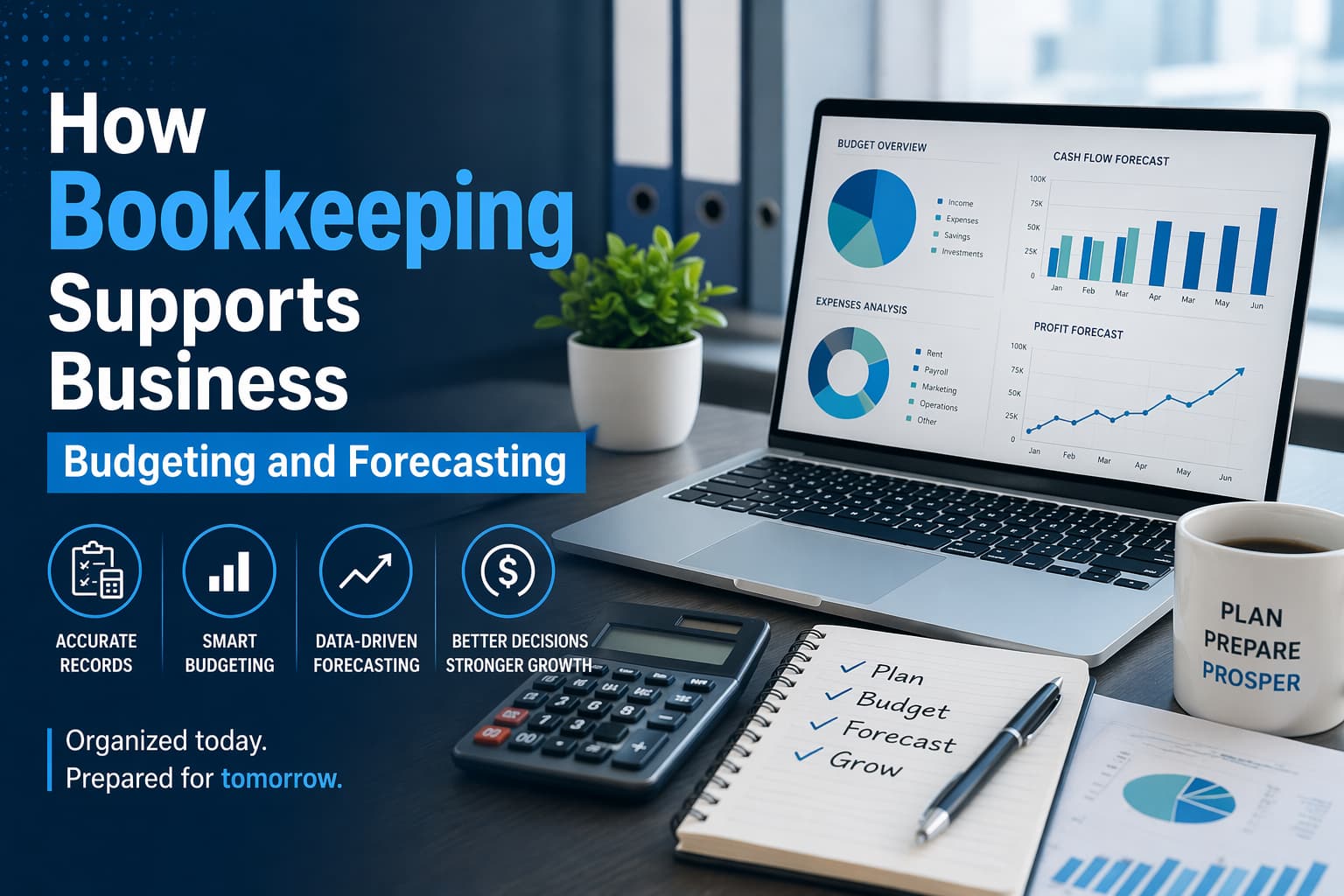
Running a small business or startup is exciting, but managing finances can feel overwhelming. Many founders focus on products, services, and customers while neglecting accurate financial records. Without proper bookkeeping, businesses struggle to plan budgets, forecast growth, and make informed decisions.
Bookkeeping is the backbone of growth. Reckenen turns accurate financial records into smart budgets, forecasts, and strategies, helping startups scale with confidence.
What Is It, and Why Does It Matter?
Bookkeeping is the process of recording every financial transaction your business makes. This includes sales, expenses, invoices, and payments. Accurate bookkeeping ensures you know exactly where your money comes from and where it goes.
Why it matter
For small businesses, financial recordkeeping is more than just organizing receipts. It allows owners to track cash flow, monitor spending, and understand financial performance. A well-maintained ledger is crucial for creating budgets, forecasting future revenue, and planning for expansion. Without it, businesses risk overspending, mismanaging funds, and missing opportunities for growth.
For example, a tech startup planning IT business growth might track software subscriptions, server costs, and payroll through bookkeeping. These records help founders forecast future expenses and allocate resources to initiatives that drive audience growth strategies or business growth strategies efficiently.
The Role of Bookkeeping in Budgeting and Forecasting
Accurate financial recordkeeping is the backbone of every successful business plan. By keeping detailed records of income and expenses, businesses can budget wisely and forecast future growth with confidence.
Understanding Budgeting
Budgeting is the process of planning how your business will spend and save money over a set period. Accurate bookkeeping makes this process reliable by providing a detailed record of past income and expenses. With this data, business owners can prepare realistic budgets that reflect actual financial performance rather than estimates.
Identifying Spending Patterns and Profitability
Proper bookkeeping allows businesses to track exactly where money is being spent and which areas are generating profit. This insight prevents overspending, ensures resources are allocated efficiently, and highlights areas that may need cost control or additional investment.
Aligning Short-Term Spending with Long-Term Goals
By analyzing financial records, businesses can allocate funds to growth initiatives, marketing campaigns, or product development without compromising financial stability. For example, a retail business can plan budgets for seasonal inventory, staff hiring, and marketing, creating a roadmap that aligns day-to-day spending with long-term strategic objectives.
Supporting Forecasting with Historical Data
Bookkeeping also provides the historical financial data necessary for forecasting. By reviewing past revenue, expenses, and cash flow trends, businesses can predict future financial outcomes, plan for peak seasons, and prepare for slower periods. This proactive approach reduces the risk of cash shortages and helps in making informed decisions.
Practical Example for Startups
For instance, an eCommerce startup can analyze previous holiday sales to forecast inventory needs, marketing spend, and staffing requirements. Linking bookkeeping with forecasting ensures that the startup can operate efficiently, optimize cash flow, and reduce financial risk while planning for growth.
Bookkeeping Practices for Better Budgeting and Forecasting
To maximize the benefits of bookkeeping for budgeting and forecasting, businesses should follow these practices:
- Track all financial transactions consistently
- Maintain separate accounts for different expense categories
- Use accounting software for real-time insights
- Review and reconcile accounts regularly
- Generate accurate financial statements for analysis
These steps ensure that data is reliable and actionable, allowing founders to make decisions with confidence. For small businesses, these practices support accounting firm growth plans and help answer questions like “What does an accountant do for a small business?” or “Does a small business need an accountant?”
Benefits of Linking Financial Records with Budgeting and Forecasting
Integrating bookkeeping with budgeting and forecasting offers multiple advantages:
Improves Decision-Making
Accurate financial data allows business owners to make informed strategic choices. For example, knowing which product lines are most profitable helps allocate resources to areas with the highest ROI.
Efficient Cash Flow Management
By analyzing records alongside budgets, companies can predict cash shortages or surpluses, decide the right time to invest in marketing campaigns, hire staff, or purchase inventory, ensuring smooth operations without financial stress.
Supports Long-Term Planning
Short-term budgeting aligned with financial forecasts helps businesses plan for growth, expansion, and new initiatives. Startups can decide whether to reinvest profits or save for future scaling.
Reduces Financial Errors
Regularly updating and cross-checking financial data prevents mistakes, such as misreported expenses, overlooked invoices, or tax discrepancies, which could otherwise lead to penalties or poor business decisions.
Builds Investor Confidence
Transparent, well-maintained financial records enhance credibility with lenders, investors, and stakeholders. Investors are more likely to fund companies that show clear planning, proper reporting, and a solid growth roadmap.
Maximizes ROI for Growth Strategies
For businesses focusing on digital marketing revenue growth, audience expansion, or IT initiatives, integrating financial records with budgeting ensures resources are used efficiently. This reduces waste, highlights profitable projects, and helps achieve measurable growth.
Common Mistakes to Avoid
Even with bookkeeping in place, some mistakes can hinder budgeting and forecasting:
- Relying on outdated or incomplete data
- Ignoring small expenses that impact the budget
- Failing to reconcile accounts regularly
- Overlooking historical trends in forecasting
Avoiding these pitfalls ensures that budgeting and forecasting remain accurate, actionable, and aligned with the company’s growth objectives.
When to Consider Professional Bookkeeping Support
Outsourcing bookkeeping or hiring a professional is especially valuable when your business is growing quickly, handling complex financial transactions, preparing for loans or investments, or planning strategic expansion. This support ensures accurate records, smarter financial decisions, and a strong foundation for sustainable growth.
Professional bookkeepers provide accurate records, timely reports, and insights that support business growth strategies. They also help founders answer questions like “How can a CPA help a Weekly or monthly updates keep financial data current and support reliable budgeting.
Can bookkeeping software improve forecasting accuracy?
Yes, automated software reduces errors and provides real-time insights for better predictions.
Is bookkeeping necessary for small businesses with few transactions?
Even small businesses benefit from bookkeeping to track spending and plan growth.
How does bookkeeping support cash flow management?
It monitors income and expenses, helping businesses avoid shortages and plan future needs.
Can a professional bookkeeper help with long-term financial planning?
Yes, they provide insights and reports that guide budgeting, forecasting, and strategic decisions.
Reckenen Makes Budgeting and Forecasting Easier
Bookkeeping is the foundation of smart budgeting and forecasting. At Reckenen, we help startups and small businesses track finances, forecast growth, and plan strategically, so you can focus on growing your business with confidence and achieve long-term success.
Take control of your business growth today—start with Reckenen.