
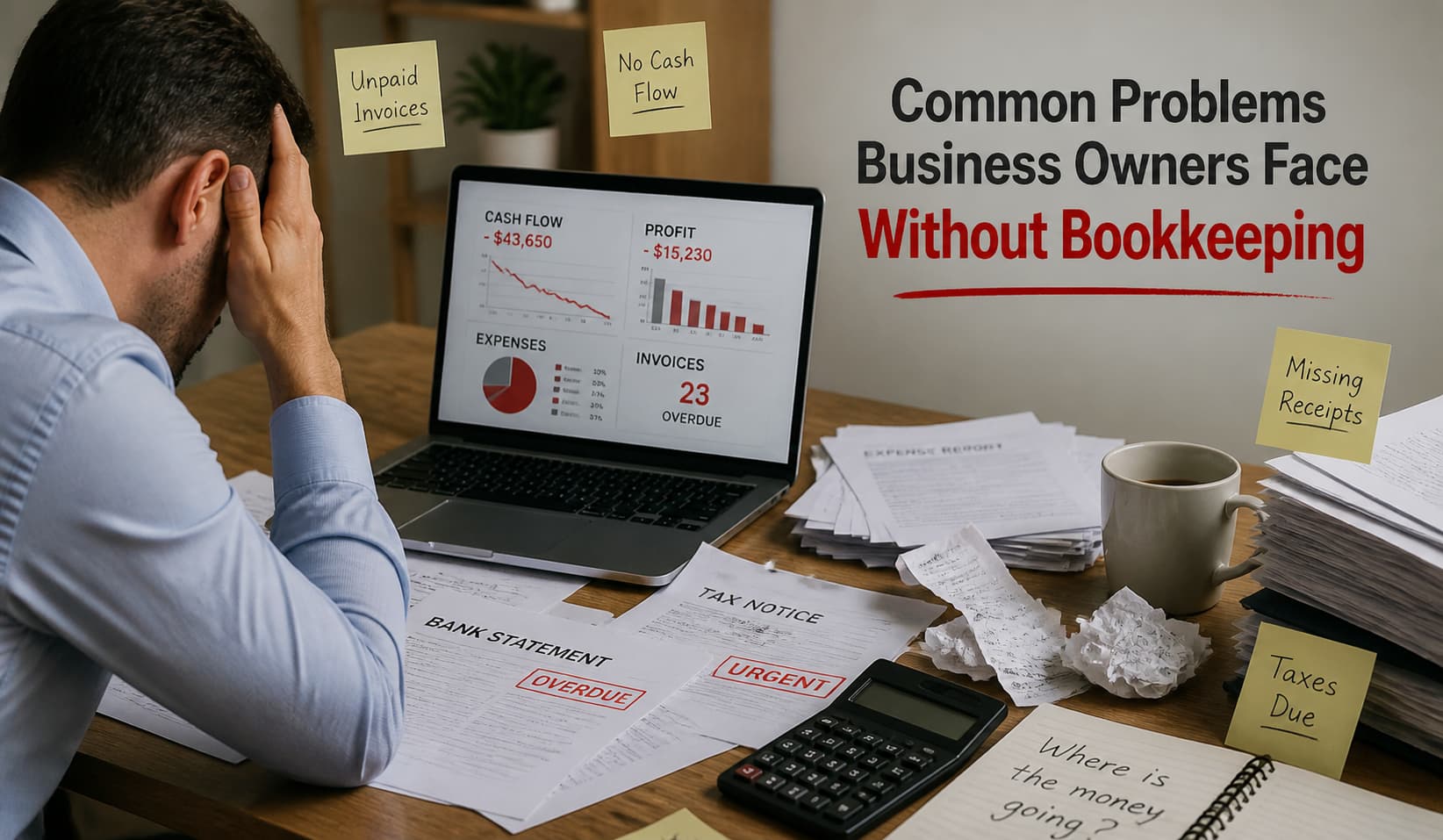
For small business owners, understanding finances clearly is important for daily operations and long-term success. Organized financial records help track money flow, reduce confusion, and support better planning. Without proper management, bookkeeping challenges can quickly grow into bigger financial issues that affect stability and growth.
For businesses in Northern Virginia, Washington, DC, and Maryland, Reckenen provides professional support to help reduce tax stress, improve financial clarity, and support steady business growth.
Define “bookkeeping.”
Bookkeeping is the process of recording all financial activities of a business, including income, expenses, invoices, and payments. It helps keep business finances organized and up to date so owners can clearly see where their money is going.
It is an important part of running a business because it provides accurate financial information for decision-making, tax filing, and business planning. Without it, signs of a bad bookkeeper or poor record handling can lead to confusion, cash flow issues, and compliance problems. This is why many experts follow small business accounting best practices to avoid financial mistakes.
Why Bookkeeping Matters for Business
Bookkeeping matters because it gives business owners a clear view of their financial health. It helps track income, expenses, and profits so decisions are based on real data, not guesswork.
It also ensures taxes are accurate, cash flow is managed properly, and financial problems are identified early. Without it, businesses often need business accounting tips to fix mistakes that could have been avoided. Poor systems also lead to bookkeeping challenges that slow down growth and create stress.
Financial Problems Business Owners Face Without Bookkeeping
Without bookkeeping, business owners often lose track of income, expenses, and profits. This leads to cash flow issues, tax stress, and poor financial decisions.
1. Lack of Financial Visibility
Without bookkeeping, many owners do not know the true financial health of their business. They may not know how much profit they made, which expenses are too high, or whether sales are improving.
This often leads to decisions based on guesswork instead of facts. A business may look busy from the outside, but without clear records, the owner may not realize profits are shrinking.
2. Cash Flow Problems
Cash flow is the money coming in and going out of a business. Even successful companies can struggle if cash flow is not managed properly.
Without bookkeeping, unpaid invoices, late bills, and poor spending control can create sudden shortages. A business owner may have sales on paper but still not have enough cash in the bank to cover payroll or rent.
3. Missed Tax Deductions and Higher Tax Bills
Many everyday business expenses can reduce taxable income. However, if these expenses are not tracked, they may be missed during tax season.
Common deductible costs may include travel, office supplies, software, marketing, and business vehicle use. Missing these records can result in paying more taxes than necessary.
Good bookkeeping helps keep every expense organized so tax savings are not lost.
4. Increased Risk of Errors and Penalties
Messy financial records often lead to mistakes. Income may be reported incorrectly, expenses may be missed, or numbers may be entered twice.
These errors can cause inaccurate tax filings and may lead to IRS notices or penalties. Fixing mistakes later usually takes more time and money than preventing them in the first place.
5. Disorganized Financial Records
Many business owners save receipts in random folders, emails, or desk drawers. When tax season arrives, finding the right documents becomes stressful.
Disorganized records can lead to:
- Missing receipts
- Lost invoices
- Delayed tax filing
- Wasted time searching for documents
Well-managed bookkeeping keeps everything in one place and easy to access.
6. Poor Business Decision-Making
Strong decisions require clear numbers. Without updated financial reports, owners may not know which products make money, which services lose money, or when it is safe to expand.
This can lead to overspending, poor hiring choices, or missed opportunities. Real-time financial information helps owners act with confidence.
7. Difficulty Managing Growth
As a business grows, finances become more complex. There may be more customers, more vendors, more expenses, and more tax responsibilities.
Without a solid bookkeeping system, growth can create confusion instead of success. Many businesses grow quickly but struggle because their financial systems cannot keep up.
8. Strained Vendor and Client Relationships
Late payments and billing mistakes can damage trust. Suppliers want to be paid on time, and clients expect accurate invoices.
Without bookkeeping, businesses may forget due dates or send incorrect bills. Over time, this can hurt relationships and damage the company’s reputation.
9. Increased Stress for Business Owners
Running a business already comes with pressure. Financial confusion adds even more stress.
Owners without bookkeeping often worry about taxes, unpaid bills, and whether they are making money. They may spend nights sorting receipts instead of focusing on growth, customers, or family time.
Clean records reduce stress and create peace of mind.
10. Limited Access to Funding
Banks and lenders usually ask for clear financial statements before approving loans or credit. If records are incomplete or inaccurate, getting funding becomes harder.
A business may miss the chance to expand, buy equipment, or hire staff simply because it cannot provide proper reports.
Good bookkeeping builds trust with lenders and investors.
11. No Strategic Financial Planning
Businesses need plans to grow. Without bookkeeping, owners often lack clear budgets, revenue targets, and cash flow forecasts.
This creates reactive decision-making. Instead of planning ahead, the owner only responds when problems appear. Strong bookkeeping helps businesses prepare for the future with confidence
How to Fix Bad Bookkeeping
If a business already has poor records, it is important to fix them early. Understanding how to fix bad bookkeeping starts with reviewing past transactions, organizing receipts, and using proper accounting systems.
Working with professionals helps correct mistakes, rebuild accurate records, and prevent future issues. Following proper systems also reduces long-term financial risks.
How Professional Bookkeeping Solves These Problems
Professional bookkeeping keeps your financial records accurate and organized. It helps you manage cash flow, reduce stress, and make better business decisions.
1. Accurate Financial Records
Professional bookkeeping ensures every income and expense is recorded correctly. This removes confusion and gives a clear picture of business performance at any time.
2. Better Financial Reporting
With proper bookkeeping, business owners get detailed financial reports like profit and loss statements. These reports help understand how the business is actually performing.
3. Improved Cash Flow Management
Bookkeeping helps track money coming in and going out. This makes it easier to manage payments, avoid shortages, and keep cash flow stable.
4. Tax-Ready Financials
Well-maintained books make tax preparation simple and stress-free. All expenses and income are organized, which helps avoid errors and last-minute tax issues.
5. Smarter Business Decisions
Clear data helps owners follow small business accounting tips and make informed decisions.
6. Reduced Financial Stress
Organized bookkeeping removes uncertainty and stress. Business owners can focus more on growth instead of worrying about financial mistakes.
FAQs
1. What problems happen without bookkeeping?
Businesses lose financial clarity, face cash flow issues, and make poor financial decisions.
2. Why do small businesses need bookkeeping?
It helps maintain organization, tax compliance, and better financial control.
3. What does poor accounting lead to?
It leads to errors, cash flow issues, and slow business growth.
4. How does bookkeeping improve financial management?
It provides clear records that help manage cash flow and planning.
5. What are the risks of no bookkeeping?
Higher taxes, penalties, and loss of financial control are major risks.
Take Charge of Your Business Finances
Without bookkeeping, businesses face cash flow issues, tax stress, and growth challenges. These problems often start small but can become serious over time. Good financial systems supported by business accounting tips and proper bookkeeping help businesses stay organized and strong.
Take control of your finances with Reckenen and grow with confidence.