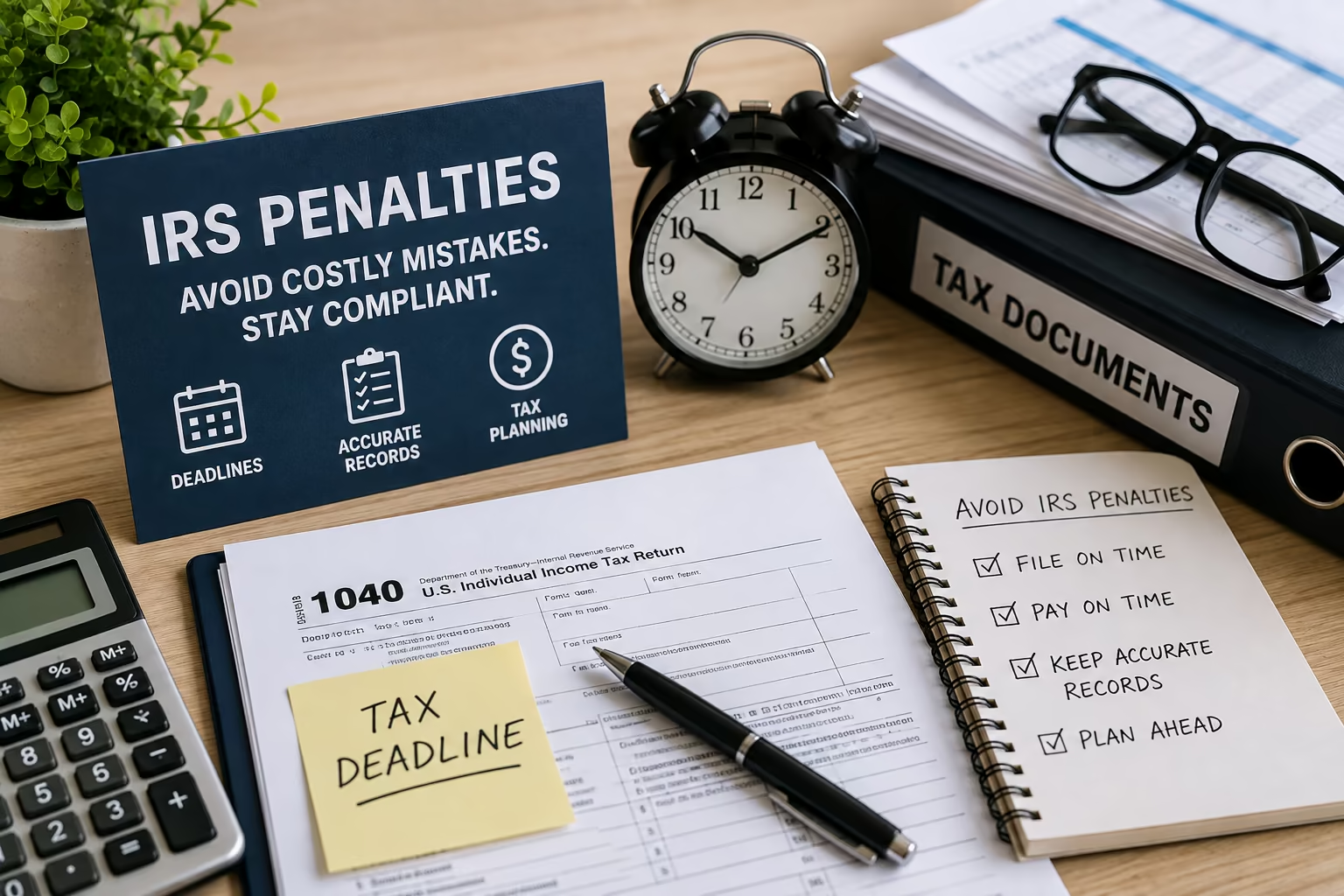
Running a small business comes with many responsibilities, and taxes are one of the most important. A missed deadline, incorrect calculation, or simple reporting mistake can lead to costly IRS penalties that affect your business finances.
Many small businesses face small business tax penalties due to missed deadlines, reporting mistakes, or poor record-keeping, rather than intentional tax issues. At Reckenen, we provide expert tax planning, bookkeeping, and accounting support to help businesses reduce risks and make confident financial decisions throughout the year.
What are IRS penalties?
Understanding IRS tax penalties and their causes helps business owners take proactive steps to stay compliant and protect their finances.
These penalties can add unnecessary costs and create financial stress for small businesses. By understanding common IRS penalties and their causes, business owners can take proactive steps to stay compliant, avoid mistakes, and protect their business finances.
Why Small Businesses Receive IRS Penalties
Many of these issues can be avoided with proper planning and a strong focus on IRS tax compliance. Common reasons small businesses receive IRS penalties include:
- Filing tax returns after the deadline
- Paying taxes late
- Reporting incorrect information on tax returns
- Underpaying estimated taxes
- Missing payroll tax deposit deadlines
- Keeping incomplete financial records
Many of these issues can be avoided with proper planning and organised accounting practices. Regularly reviewing your financial records helps identify potential problems before they turn into expensive penalties.
Common IRS Penalties Small Businesses Should Know
Understanding the most common IRS penalties helps business owners identify potential risks, take preventive steps, and maintain better tax compliance throughout the year.
1. Failure-to-File Penalty
The IRS late filing penalty applies when a business does not submit its required tax return by the deadline. The longer a return remains unfiled, the more the penalty can increase. Even if your business cannot pay the full tax amount on time, filing your return is still important. Filing late can result in additional charges and create more financial pressure for your business.
How to Avoid It:
- Track important tax deadlines throughout the year
- Prepare tax documents early
- Request an extension if you need more time to file
Staying organised helps ensure your tax returns are submitted correctly and on time.
2. Failure-to-Pay Penalty
The IRS late payment penalty occurs when a business files its tax return but does not pay the required tax amount by the due date. Unpaid taxes can continue to increase costs through additional charges and interest. This can make it harder for small businesses to manage cash flow.
How to Avoid It:
- Plan tax payments throughout the year
- Set aside money for tax obligations
- Explore available payment options if needed
Proper tax planning helps businesses avoid unexpected tax bills and payment challenges.
3. Underpayment of Estimated Taxes Penalty
Many small business owners need to make estimated tax payments during the year. These payments help cover income taxes, self-employment taxes, and other tax responsibilities. Reviewing your estimated tax payments regularly helps reduce the risk of underpayment penalties.
How to Avoid It:
- Review business income regularly
- Calculate estimated taxes accurately
- Work with a tax professional for guidance
Regular financial reviews make it easier to estimate tax obligations and avoid underpayment issues.
4. Accuracy-Related Penalty
The IRS may charge an accuracy-related penalty when a tax return contains significant mistakes. These errors may happen because of incorrect calculations, unsupported deductions, missing income, or poor documentation. Even honest mistakes can create problems if your records do not support the information reported on your tax return.
How to Avoid It:
- Maintain accurate financial records
- Review tax returns carefully before filing
- Keep documents that support deductions and expenses
Strong bookkeeping practices help ensure your tax filings are complete and accurate.
5. Failure-to-Deposit Employment Tax Penalty
Businesses with employees are responsible for collecting and depositing payroll taxes correctly. Missing payroll tax deposit deadlines can result in serious IRS penalties. Payroll taxes include amounts withheld from employee wages as well as employer tax responsibilities. These funds must be handled carefully because they do not belong to the business.
How to Avoid It:
- Follow payroll tax deposit schedules
- Use reliable payroll systems
- Keep payroll tax funds separate from operating expenses
Proper payroll management helps businesses avoid costly mistakes and compliance issues.
6. Information Return Penalties
Information return penalties occur when businesses fail to file required forms correctly or on time. This can include forms used to report payments made to contractors and other individuals. Incorrect information or missing forms can create unnecessary issues with the IRS and the people your business works with.
How to Avoid It:
- Collect accurate taxpayer information
- File required forms before deadlines
- Maintain organized business records
Keeping accurate records throughout the year makes tax reporting easier and more reliable.
Common Tax Mistakes That Lead to IRS Penalties
Many small businesses face IRS penalties because of simple tax mistakes that can be avoided with proper planning, accurate records, and timely financial management.
1. Mixing Personal and Business Expenses
Combining personal and business expenses can create confusion during tax reporting. It becomes harder to identify deductible expenses and maintain accurate financial records.
Separate business bank accounts and credit cards help create cleaner records and make tax preparation easier.
2 Poor Record-Keeping
Missing receipts, incomplete records, and disorganised financial information can increase the risk of tax mistakes. Without proper documentation, businesses may struggle to support deductions or explain financial activity.
Organised bookkeeping makes tax preparation easier and supports accurate financial reporting.
3. Ignoring Tax Planning Throughout the Year
Waiting until tax season to think about taxes can create unnecessary stress and missed opportunities. Without regular planning, businesses may face unexpected tax bills or overlook available deductions.
Proactive tax planning allows business owners to prepare ahead, manage payments, and make better financial decisions throughout the year.
How Small Businesses Can Avoid IRS Penalties
Avoiding IRS penalties requires consistent financial management and attention to important tax responsibilities. Businesses can reduce tax risks by following these simple steps:
- Keep accurate financial records, including receipts and important documents.
- Reconcile accounts regularly to ensure financial information is correct.
- Track income and expenses properly to avoid reporting mistakes.
- Monitor tax filing and payment deadlines to prevent late penalties.
- Prepare tax documents early instead of waiting until the last minute.
- Review deductions and tax obligations carefully before filing.
- Work with a CPA or tax professional to stay compliant and identify potential issues early.
- Use professional guidance to make better financial decisions and reduce tax risks.
Reckenen Helps Small Businesses Stay Tax Compliant
Staying compliant requires more than filing taxes once a year. Reckenen helps small businesses manage their finances with proactive tax planning, accurate bookkeeping, and reliable accounting support. Their services include tax preparation, bookkeeping, financial reporting, and advisory support to help improve small business tax compliance and keep businesses organised and prepared.
By maintaining accurate financial records and regularly reviewing business performance, Reckenen helps businesses reduce tax risks, avoid common mistakes, and make informed decisions. With the right financial guidance, business owners can focus on growth while keeping their tax responsibilities under control.
FAQs
What can be considered a business expense?
Business expenses are costs that are ordinary and necessary for running your business, such as office supplies, software, rent, marketing, and professional services.
What are some commonly overlooked business tax deductions?
Common overlooked deductions include business insurance, professional fees, software subscriptions, education costs, and certain home office expenses.
Can I write off expenses when starting a business?
Yes, some startup costs may qualify for tax deductions. However, specific rules apply, so proper documentation is important.
Can the self-employment tax be deducted as a business expense?
Self-employed individuals may be able to deduct a portion of their self-employment tax on their personal tax return.
How can businesses find missed tax deductions?
Keeping accurate records and working with a tax professional can help identify eligible deductions and avoid missing valuable tax savings opportunities.
Stay Ahead of IRS Penalties with Proper Tax Planning
Most IRS penalties are caused by avoidable mistakes, such as missed deadlines, inaccurate records, or poor tax planning. Regular bookkeeping for small businesses helps reduce tax risks, improve compliance, and support long-term financial success. By managing tax responsibilities properly and maintaining accurate financial records, business owners can reduce financial risks and focus on building a successful future.
Protect your business from costly tax mistakes. Contact Reckenen today for trusted tax planning and accounting guidance.