
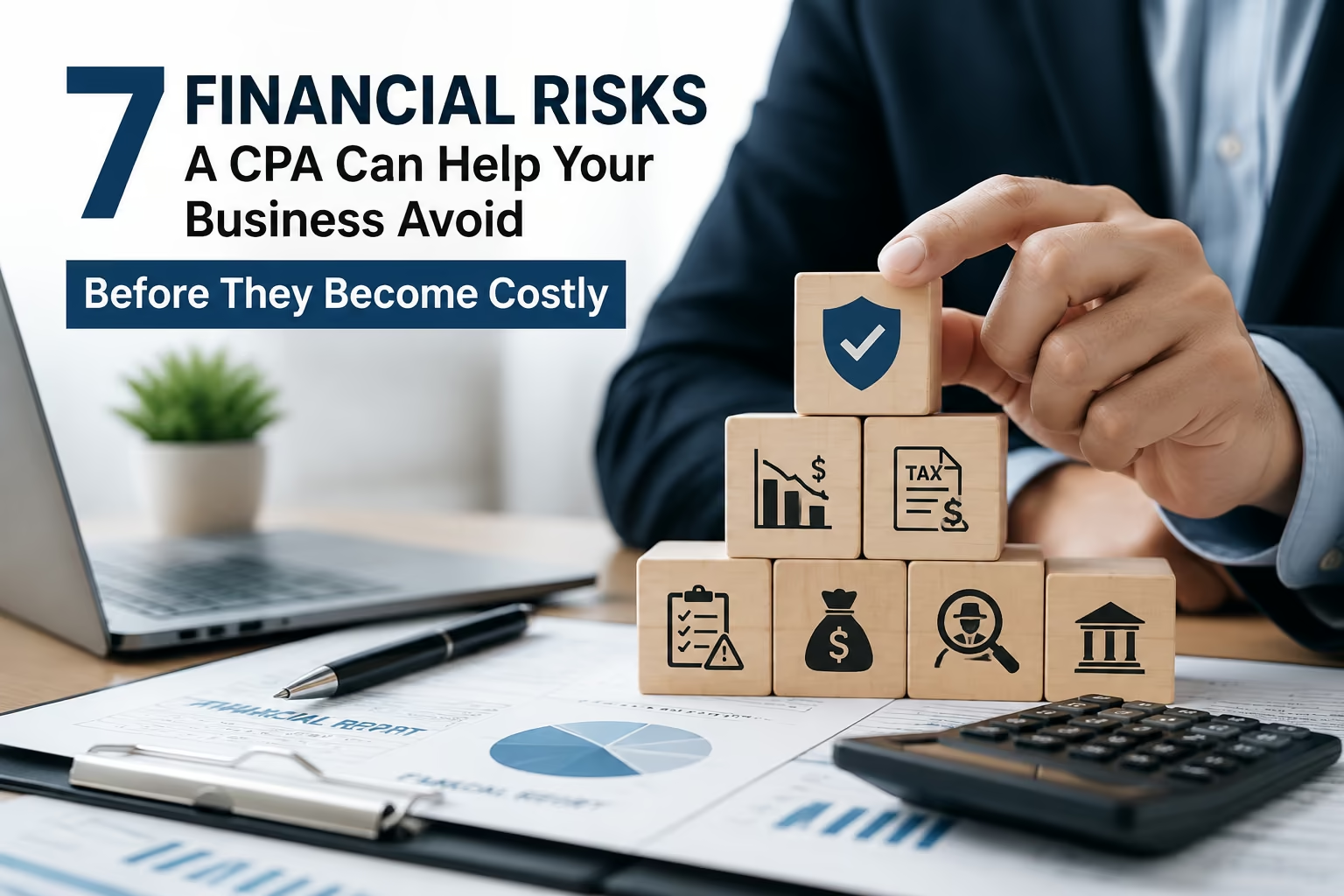
Small businesses often face financial challenges that can affect growth, profitability, and daily operations. Many of these problems do not appear suddenly. They usually begin with small mistakes, such as inaccurate records, missed tax-saving opportunities, poor cash management, or weak financial planning.
A CPA helps businesses identify financial risks early and create stronger financial systems. With professional accounting support from Reckenen, business owners can improve financial control, make informed decisions, and avoid costly mistakes before they impact business growth.
Why Financial Risk Management Matters for Small Businesses
Every growing business faces financial risks. Without proper planning and monitoring, small issues can quickly become expensive challenges. Managing financial risks helps businesses protect their resources, improve stability, and prepare for future growth.
Effective financial risk management helps businesses:
- Protect business cash flow
- Reduce unnecessary expenses
- Make better financial decisions
- Stay compliant with tax requirements
- Build long-term financial stability
A CPA helps business owners understand their financial position and take action before problems affect profitability.
7 Financial Risks a CPA Can Help Your Business Avoid
Understanding common financial risks helps business owners take preventive action, protect their profits, and build a stronger financial foundation.
1. Poor Cash Flow Management
A business can be profitable and still experience cash flow problems. This often happens when customer payments are delayed, expenses increase, or cash is not properly planned.
Poor cash flow management can make it difficult to pay employees, suppliers, and other business expenses on time. Monitoring how money moves through the business helps identify potential issues before they become serious.
A CPA can help by:
- Reviewing cash flow reports
- Identifying unnecessary spending
- Creating better cash flow strategies
- Improving financial planning
With proper cash flow management, businesses can maintain financial stability and handle unexpected expenses more effectively.
2. Tax Mistakes and Missed Tax Opportunities
Tax mistakes can create unnecessary costs for small businesses. Incorrect filings, missed deadlines, or poor tax planning may result in penalties and missed savings opportunities. Many businesses also fail to claim deductions and credits they may qualify for because they do not review their tax situation throughout the year.
A CPA helps reduce tax risks by the following:
- Preparing accurate tax returns
- Identifying available deductions
- Creating year-round tax strategies
- Reducing tax-related mistakes
Proactive tax planning allows businesses to prepare for tax obligations instead of dealing with unexpected financial pressure.
3. Inaccurate Financial Records
Accurate financial records are essential for making smart business decisions. Poor bookkeeping or incomplete records can make it difficult to understand profitability, manage expenses, or prepare taxes correctly. When financial information is inaccurate, business owners may make decisions based on incorrect data.
A CPA helps businesses maintain accurate records by:
- Reviewing accounting information
- Improving bookkeeping systems
- Ensuring financial reports are accurate
- Maintaining organized documentation
Reliable financial records give business owners a clearer view of their company’s performance and financial health.
4. Overspending and Poor Budget Control
Uncontrolled expenses can reduce business profits and limit growth opportunities. Small costs may seem harmless at first, but they can add up and create financial pressure over time. Without a clear budget, businesses may spend more than necessary and struggle to track where money is going.
A CPA can help by:
- Analyzing business expenses
- Creating realistic budgets
- Finding cost-saving opportunities
- Monitoring spending patterns
Better budget control helps businesses use their resources wisely and improve overall profitability.
5. Financial Fraud and Internal Control Issues
Businesses of all sizes can face financial fraud risks, especially when proper controls are not in place. Weak financial processes can make it easier for mistakes or unauthorised activities to go unnoticed. Common warning signs may include unusual transactions, missing records, or unexplained financial changes.
A CPA helps reduce fraud risks by:
- Reviewing financial transactions
- Strengthening internal controls
- Identifying unusual activity
- Improving financial processes
Strong accounting systems help businesses protect their money and maintain better financial security.
6. Poor Business Growth Planning
Growth is an important goal for every business, but expanding without proper financial planning can create new challenges. Hiring employees, opening new locations, or making large investments requires careful financial decisions. Without understanding financial capacity, businesses may take on unnecessary risks.
A CPA supports growth planning by:
- Analyzing financial performance
- Creating financial forecasts
- Evaluating growth opportunities
- Supporting strategic decisions
With proper planning, businesses can grow at a pace that matches their financial ability.
7. Compliance and Reporting Problems
Businesses must follow tax, accounting, and reporting requirements to avoid unnecessary penalties and financial issues. Inaccurate reports or missed compliance requirements can create stress and additional costs. Keeping financial information accurate and updated helps businesses stay prepared and avoid compliance problems.
A CPA helps businesses by:
- Maintaining proper financial reporting
- Monitoring compliance requirements
- Preparing required documents
- Reducing reporting risks
Professional accounting support helps businesses stay organised and meet important financial responsibilities.
Warning Signs Your Business May Need CPA Support
Many business owners wait until they face serious problems before seeking financial guidance. Your business may benefit from CPA support if you experience:
- Cash flow problems despite strong sales
- Difficulty understanding financial reports
- Unexpected tax bills
- Increasing business expenses
- Lack of financial planning
- Delayed or inaccurate bookkeeping
A CPA can identify financial risks early and provide guidance to improve business performance.
Building Stronger Financial Decisions with Reckenen
Financial risks become easier to manage when businesses have accurate data and the right guidance. Reckenen helps business owners understand their financial position, improve accounting processes, and make confident decisions with reliable financial support.
From bookkeeping and financial reporting to tax planning and advisory services, Reckenen provides the tools and insights businesses need to reduce risks, stay organised, and prepare for future growth.
FAQs
What financial risks can a CPA help a business avoid?
A CPA helps businesses reduce risks related to tax mistakes, cash flow problems, inaccurate records, compliance issues, and poor financial planning.
When should a small business hire a CPA?
A small business should consider hiring a CPA when it starts growing, faces complex tax situations, or needs professional financial guidance.
Can a CPA help improve business cash flow?
Yes, a CPA can review financial data, identify cash flow challenges, and recommend strategies to improve financial management.
How does a CPA help with tax planning?
A CPA reviews your financial situation, identifies possible tax-saving opportunities, and helps prepare for future tax responsibilities.
Is hiring a CPA worth the cost for a small business?
Yes, CPA support can help prevent expensive mistakes, improve financial decisions, and provide guidance that supports long-term business growth.
Protect Your Business Before Financial Risks Grow
Financial risks can affect business stability, profits, and future growth. Identifying these risks early helps businesses avoid costly mistakes and maintain better financial control. With professional CPA support, businesses can improve planning, manage finances effectively, and build a stronger foundation for success.
Don’t Let Financial Risks Hold Your Business Back; Get Expert CPA Support from Reckenen Today.