Bookkeeping: What It Is and Why It’s Important for Your Business

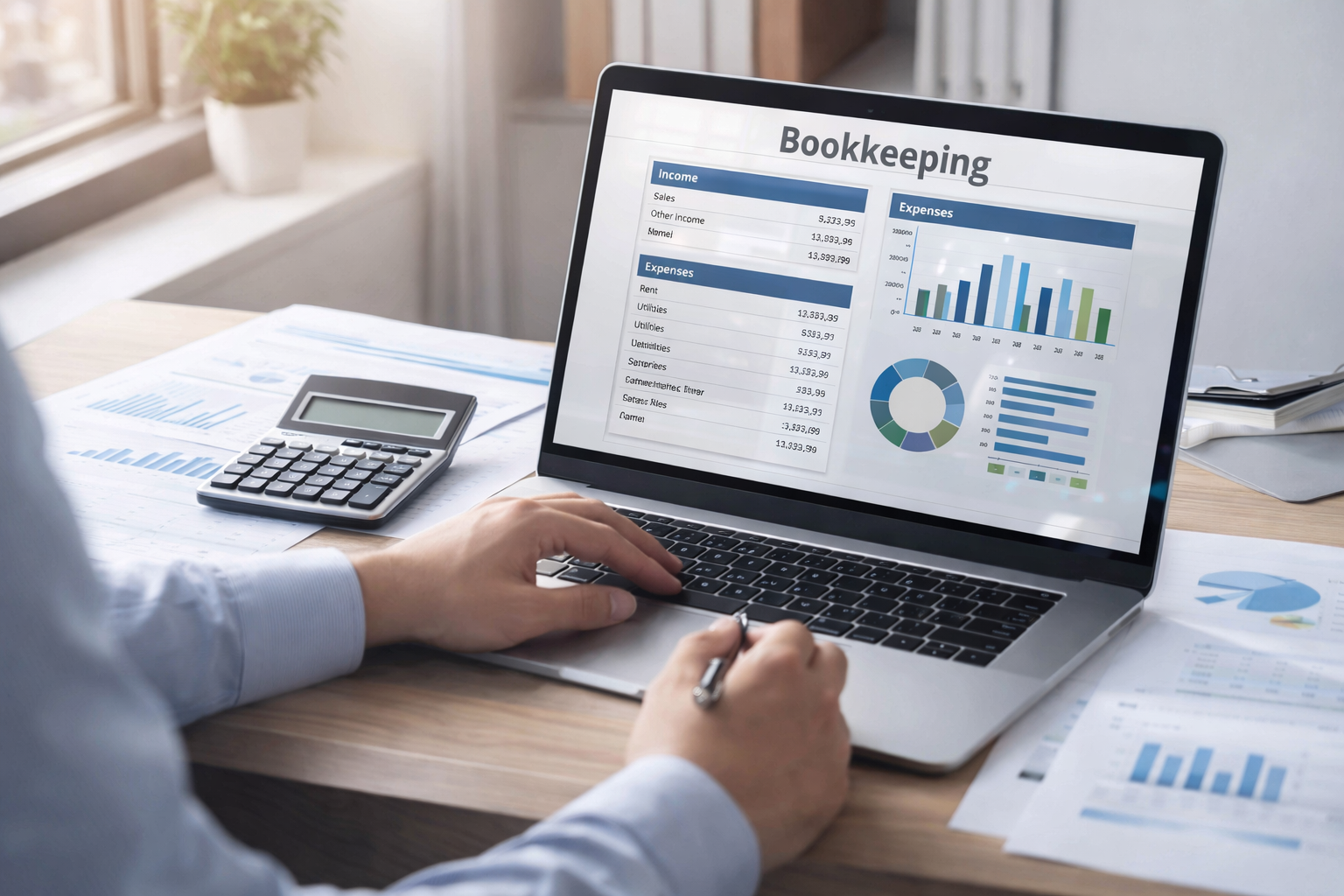
Business owner reviewing bookkeeping reports on a laptop to track income and expenses

Bookkeeping is one of those business tasks that often gets pushed aside—until something goes wrong. Whether you’re a startup, a growing small business, or an established company, good bookkeeping is essential to understanding your finances, staying compliant, and making better decisions.

This guide explains what bookkeeping is, why it matters, and how it supports the long-term success of your business.


Executive Summary

  • Bookkeeping is the process of recording and organizing financial transactions
  • Accurate bookkeeping helps you understand cash flow, profitability, and taxes
  • Poor bookkeeping leads to missed deductions, cash surprises, and compliance risks
  • Reliable books are the foundation for accounting, tax planning, and business growth

What Is Bookkeeping for Small Businesses?

Bookkeeping is the day-to-day process of recording a business’s financial transactions. This includes tracking:

  • Income and sales
  • Expenses and bills
  • Payments and deposits
  • Payroll and contractor payments
  • Bank and credit card activity

In simple terms, bookkeeping answers the question:
“What actually happened financially in my business?”


How Bookkeeping Differs From Accounting

Bookkeeping and accounting work together, but they are not the same thing.

BookkeepingAccounting
Records transactionsInterprets and analyzes data
Day-to-day activityPeriodic review and reporting
Focuses on accuracyFocuses on strategy and compliance
Creates the dataUses the data to advise

Good accounting depends on good bookkeeping. Without clean books, even the best tax or financial advice can fall apart.


Why Bookkeeping Is Important for Small Businesses

1. Helps You Understand Cash Flow

Many profitable businesses fail because they run out of cash. Bookkeeping shows:

  • How much money is coming in
  • How much is going out
  • When payments are due

This visibility helps prevent cash flow surprises.


2. Supports Accurate Tax Filing and Planning

Clean books make it easier to:

  • File accurate tax returns
  • Claim legitimate deductions
  • Avoid penalties and notices
  • Plan ahead for estimated taxes

The IRS requires businesses to maintain adequate records to support income and expenses (see IRS recordkeeping guidance).

Messy or incomplete records often lead to overpaying taxes or scrambling at filing time.


3. Makes Financial Decisions Easier

With accurate bookkeeping, business owners can:

  • Evaluate profitability by service or product
  • Set realistic budgets
  • Decide when to hire or invest
  • Track growth over time

Without it, decisions are often based on guesswork.


4. Keeps You Compliant

Proper bookkeeping helps support compliance with:

  • IRS and state tax requirements
  • Payroll and contractor reporting
  • Sales tax or business license obligations
  • Lender or investor reporting

If your business is ever reviewed or audited, organized books make the process far less stressful.


Common Bookkeeping Tasks

Typical bookkeeping responsibilities include:

  • Recording income and expenses
  • Reconciling bank and credit card accounts
  • Managing accounts payable and receivable
  • Tracking payroll and contractor payments
  • Categorizing transactions correctly
  • Generating basic financial reports

These tasks may sound simple, but consistency and accuracy matter.


In-House vs. Outsourced Bookkeeping

Many businesses start by handling bookkeeping internally, then move to an outsourced model as they grow.

In-House Bookkeeping

✔ More direct control
✘ Requires time, training, and oversight

Outsourced Bookkeeping

✔ Expertise and consistency
✔ Scales with your business
✔ Reduces errors and rework

For many small businesses, outsourcing provides better accuracy at a predictable cost.


Signs Your Business Needs Better Bookkeeping

You may want to improve your bookkeeping if:

  • You’re unsure how profitable your business really is
  • Tax time feels rushed or stressful
  • Your books are months behind
  • You rely on your bank balance instead of reports
  • You receive frequent questions from your accountant

These are common—and fixable—issues.


How Bookkeeping Supports Long-Term Growth

Strong bookkeeping allows your business to:

  • Prepare reliable financial statements
  • Support financing or lending requests
  • Plan for growth or expansion
  • Transition smoothly to advisory-level accounting

It’s not just about compliance—it’s about clarity and confidence.


How Reckenen Helps With Bookkeeping & Accounting

At Reckenen, bookkeeping is part of a broader financial picture. Our team helps businesses:

  • Maintain accurate, timely books
  • Align bookkeeping with tax and accounting needs
  • Reduce errors and rework
  • Gain better financial visibility

If you have questions about your bookkeeping or want help cleaning up your records, you can contact the Reckenen team to discuss your situation.

Learn more:


Final Takeaway

Bookkeeping may not be the most exciting part of running a business—but it’s one of the most important. Accurate records support better decisions, smoother tax filings, and long-term stability.

If your books are clear, your business decisions usually are too.


Disclaimer: This article is for informational purposes only and does not constitute tax or accounting advice.

Share insights

Email
Facebook
X
LinkedIn

Professional tax return preparation helps reduce filing errors by ensuring that all financial information is accurate, complete, and properly reviewed before submission. Tax professionals check income, deductions, and documents carefully, which reduces mistakes like wrong calculations or missing details.

They also stay updated with tax laws and use the correct forms and filing status. This lowers the risk of penalties, delays, and IRS issues, making the entire tax filing process more accurate and stress-free with Reckenen. 

What is Tax Return Preparation?

Tax return preparation is the process of collecting financial information and filing it with the tax authorities in an accurate and legal way. It includes reporting income, claiming deductions and credits, calculating taxes owed or refunds, and submitting the required forms to the IRS or relevant tax department.

In simple words, tax return preparation means organizing your financial details and filing your taxes correctly so you pay the right amount and avoid penalties or errors. A proper tax due diligence list is often used by professionals to ensure nothing is missed.

Why Tax Filing Errors Matter

Filing taxes may look simple, but even a small mistake can cause serious problems. Errors can lead to penalties, delayed refunds, or even IRS audits. Many people think they can manage it alone, but tax rules are complex and change often.

Most common tax mistakes happen because of missing details or wrong calculations. This is why professional tax return preparation is important. It helps reduce errors, ensures accuracy, and keeps everything compliant with tax laws. 

Why Professional Tax Preparation Matters

Tax filing errors can create serious financial and legal problems. From penalties to audits, the risks are real and often avoidable.

Professional tax return preparation helps ensure accuracy, compliance, and better financial outcomes. It reduces stress, saves time, and protects taxpayers from costly mistakes. A tax expert can help handle complex filings more safely. In today’s complex tax environment, choosing professional support like a tax filing pro, for short, is not just helpful; it is a smart decision. 

Common Tax Filing Errors Taxpayers Make

Many taxpayers make similar mistakes without realizing it. These include reporting incorrect income, missing deductions or credits, making calculation errors, and choosing the wrong filing status. Some people also forget to attach required forms or make simple data entry mistakes while filing manually.

Even one small tax filing error can change the final tax amount and create issues with the IRS. 

Why Errors Happen in Self-Prepared Tax Returns

Self-prepared tax returns often contain mistakes because most people are not fully aware of tax laws. Rules change frequently, and it becomes difficult to keep up with updates.

Another major reason is misunderstanding deductions and credits. Many taxpayers either miss benefits they qualify for or claim them incorrectly. Poor record-keeping throughout the year also leads to confusion during filing. Some people rely too much on software or AI tools, but without proper knowledge, mistakes still happen when users try to get their own tax filing done without support.

How Professional Tax Preparers Reduce Filing Errors

  • Carefully review all financial data to ensure accuracy
  • Check that all documents are complete and correct
  • Verify every number to avoid calculation mistakes
  • Apply updated tax laws and correct deductions
  • Avoid outdated or incorrect filing practices
  • Review the entire return before submission to catch errors
  • Select the correct tax forms and filing status
  • Ensure proper income reporting and classification.

Professionals also follow a structured tax due diligence list to ensure accuracy at every step. 

Role of Due Diligence in Tax Preparation

Due diligence means carefully checking all tax information before filing. It is an important part of professional tax preparation.

Tax experts verify income details, review deductions, and ensure that all claims are accurate. This process reduces the chances of errors and helps maintain compliance with tax regulations. It also lowers the risk of penalties and builds confidence in the final return.

How Professional Tax Preparation Helps Avoid IRS Penalties

IRS penalties usually happen when there are errors in reporting or missing information. Professional tax preparation helps avoid these problems by ensuring everything is correct before submission.

It prevents incorrect deductions, reduces the chances of underreporting income, and ensures that tax returns are filed on time. Proper documentation is also maintained, which is very important in case of an audit. This reduces stress and protects taxpayers from unnecessary financial loss.

Benefits of Using Professional Tax Services

  • Higher accuracy in tax returns, reducing the risk of penalties
  • Saves time by handling complex calculations and paperwork
  • Identifies tax-saving opportunities that are often missed
  • Ensures proper compliance with tax laws
  • Provides peace of mind during tax season

When You Should Not Rely Only on DIY or AI Tools

DIY tools may work for simple tax situations, but they are not always reliable for complex cases. If you have business income, multiple income sources, investments, or rental properties, professional help becomes necessary.

Major financial changes during the year can also make tax filing more complicated. In such cases, relying only on software or AI tools increases the risk of tax filing errors. When accuracy and compliance are important, professional support is the better choice.

Professional vs DIY Tax Filing Comparison

DIY tax filing may seem cost-effective, but it comes with higher risk. Many people miss deductions or make mistakes that cost them more in the long run.

Professional tax preparation, on the other hand, follows a structured process. Experts review every detail and ensure compliance with tax laws. This leads to better accuracy and reduces the chances of audits. In simple terms, DIY saves money upfront, but professional services like a tax filing pro for short save money in the long run. 

FAQs

  1. Why should I use a professional tax preparer?

A professional tax preparer helps ensure your tax return is accurate and complete. They also help you avoid errors, reduce penalties, and find possible tax savings.

  1. What process do professionals use to ensure accuracy?

They review all financial documents, cross-check data, apply updated tax laws, and verify calculations before filing. This step-by-step process reduces mistakes.

  1. What are the cons of using a professional tax preparer?

The main drawback is the cost of the service. However, this cost is often lower than the penalties or losses caused by filing errors.

  1. Are tax preparers responsible for mistakes?

Tax preparers are responsible for the work they do, but the taxpayer is also legally responsible for the final return. That is why choosing a qualified professional is important.

  1. When should I hire a professional tax preparer?

You should consider hiring one if you have complex finances or want to reduce tax filing errors and ensure full compliance. 

File Smart, Stay Safe 

Tax mistakes can cost more than you think, but they are avoidable. Professional tax return preparation brings accuracy, compliance, and peace of mind by catching errors before they become problems. Instead of risking penalties or delays, you get a smooth, reliable filing process. In simple terms, working with a professional is not just about filing taxes; it’s about protecting your money, your time, and your financial future.

Avoid costly mistakes; trust Reckenen to get your taxes right the first time.